
Low Pressure Reverse Osmosis System is one of the most common problems users face over time, especially in UAE households where high TDS and salinity levels affect RO system performance. A reverse osmosis system depends on consistent pressure to push water through filters and the membrane. Any disruption in this process can significantly reduce output and affect overall performance.
How an RO System Maintains Water Pressure
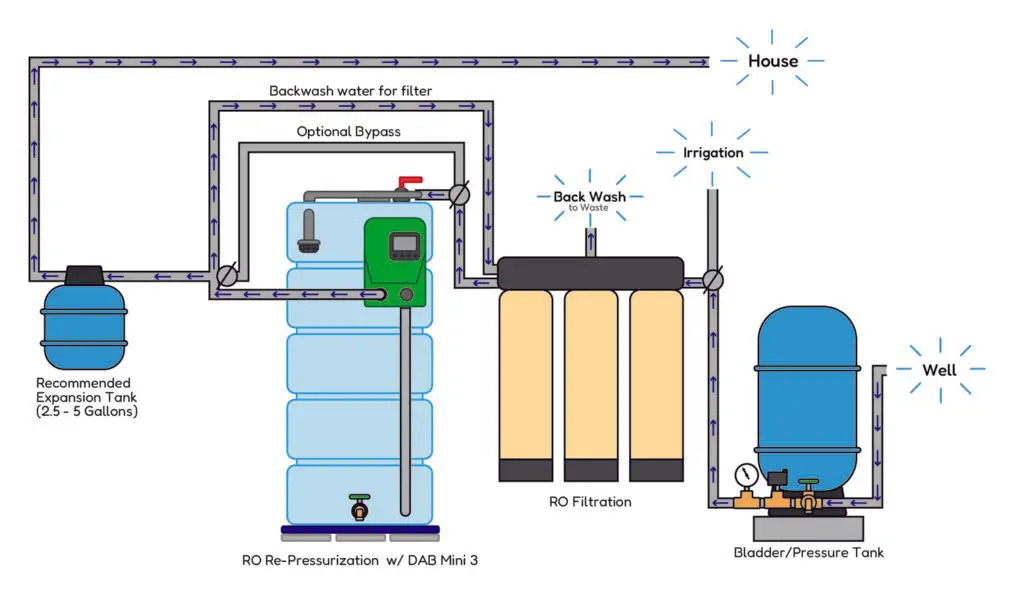
An RO system uses incoming water pressure to force water through multiple filtration stages, including sediment filters, carbon filters, and the RO membrane. If pressure drops at any point, the system struggles to produce clean water efficiently. Low pressure can occur gradually due to wear and clogging, or suddenly because of mechanical failure or installation issues.
Common Causes of Low Pressure Reverse Osmosis System
The most frequent reason for low water pressure in a reverse osmosis system is restricted water flow caused by clogged or damaged components. Over time, filters collect dirt, sediment, and contaminants that slow down water movement. Low water pressure is often listed among the most frequent reverse osmosis problems, especially in aging or poorly maintained systems.
Main Causes of Low RO Water Pressure
Cause |
How It Affects Pressure |
| Clogged sediment filter | Blocks incoming water flow |
| Worn-out carbon filter | Reduces pressure before the membrane |
| Fouled RO membrane | Restricts purified water output |
| Low incoming water pressure | Insufficient force for filtration |
| Faulty shut-off valve | Interrupts normal water flow |
RO System Low Pressure Problem: Component-Level Issues
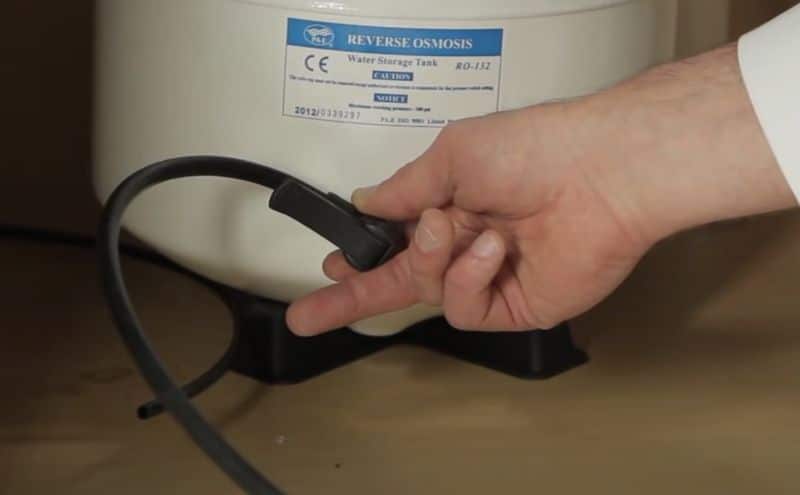
In many cases, the issue lies within one specific component rather than the entire system. A clogged RO membrane, for example, can drastically reduce water pressure even if other filters are new. Similarly, storage tank pressure plays a major role. If the tank’s internal air pressure is too low, water flow from the faucet will feel weak even when the system is functioning properly.
External Factors That Reduce RO Water Pressure
Sometimes, low RO pressure has nothing to do with filters or membranes. External factors such as plumbing design, supply line restrictions, or inconsistent municipal water pressure in UAE properties can also contribute to the problem.
Internal vs External Pressure Issues
Issue Type |
Example |
Impact on RO Pressure |
| Internal | Clogged RO membrane | Low purified water output |
| Internal | Low tank air pressure | Weak faucet flow |
| External | Poor inlet water pressure | Slow filtration process |
| External | Kinked water line | Restricted water supply |
Why Identifying the Cause Matters
Before attempting any fix, it is important to identify the exact cause of low water pressure in a reverse osmosis system. Replacing the wrong component can waste time and money while leaving the real issue unresolved. A systematic inspection of filters, membrane condition, tank pressure, and inlet water supply helps pinpoint the problem accurately. Reliable water treatment solutions play an important role in preventing pressure-related issues in filtration systems.
When Low RO Pressure Becomes a Serious Issue
If low pressure is ignored for too long, it can lead to reduced water quality, increased strain on system components, and complete system failure. Early detection and routine maintenance are key to keeping an RO system working efficiently. In such cases, professional reverse osmosis system servicing helps restore pressure and maintain long-term system performance.
Key Takeaway
Low Pressure Reverse Osmosis System is usually caused by clogged filters, membrane fouling, tank pressure imbalance, or insufficient inlet water pressure. Understanding these causes allows UAE homeowners and businesses to diagnose problems correctly and take appropriate action before RO system performance drops further.
FAQs
1. What is the normal water pressure for a reverse osmosis system?
Most reverse osmosis systems work efficiently when the inlet water pressure is between 40 and 80 PSI.
2. Can low water pressure damage an RO system?
Yes, consistently low pressure can reduce filtration efficiency and place extra strain on the RO membrane over time.
3. How often should RO filters be replaced to avoid low pressure?
Sediment and carbon filters should usually be replaced every 6–12 months, depending on water quality and usage.
4. Does storage tank pressure affect RO water flow?
Yes, low air pressure inside the storage tank can cause weak water flow even if the RO system is functioning properly.
5. Is low RO pressure always caused by clogged filters?
Not always. External factors like low inlet pressure or plumbing restrictions can also reduce RO system performance.
6. Why is RO water pressure low in UAE homes?
High TDS levels and mineral-heavy municipal water in the UAE can clog filters and membranes faster, leading to reduced RO water pressure if maintenance is delayed.
