
Introduction
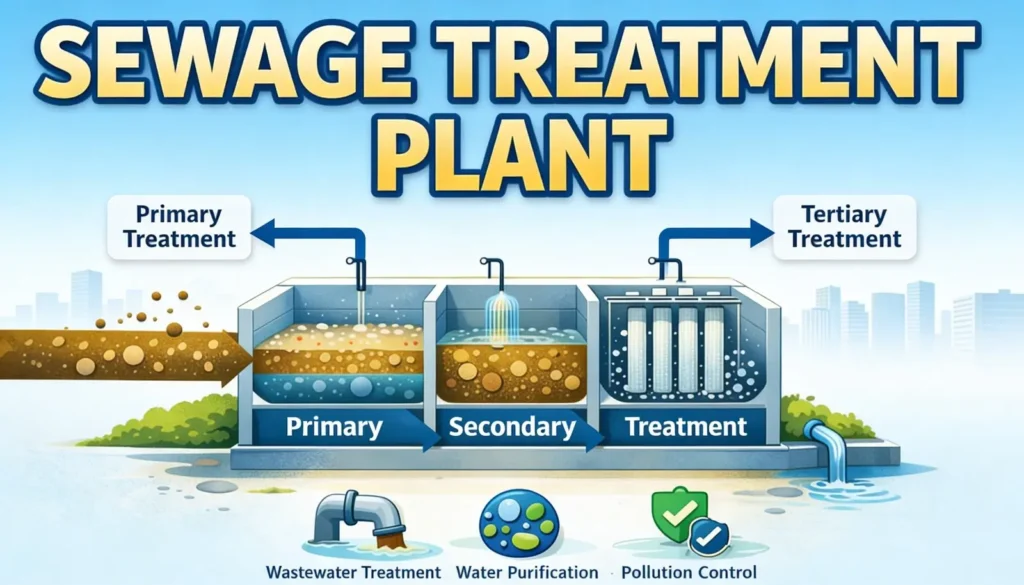
A sewage treatment plant (STP) or wastewater treatment plant or sewage treatment facility is an elaborate engineered system that collects, processes and purifies domestic, industrial and commercial sewage. Its essence is to eliminate the dangerous pollutants in sewage in order to create a dischargeable effluent that can be released in the environment or may be used in irrigation, industrial cooling, and other non-potable purposes.
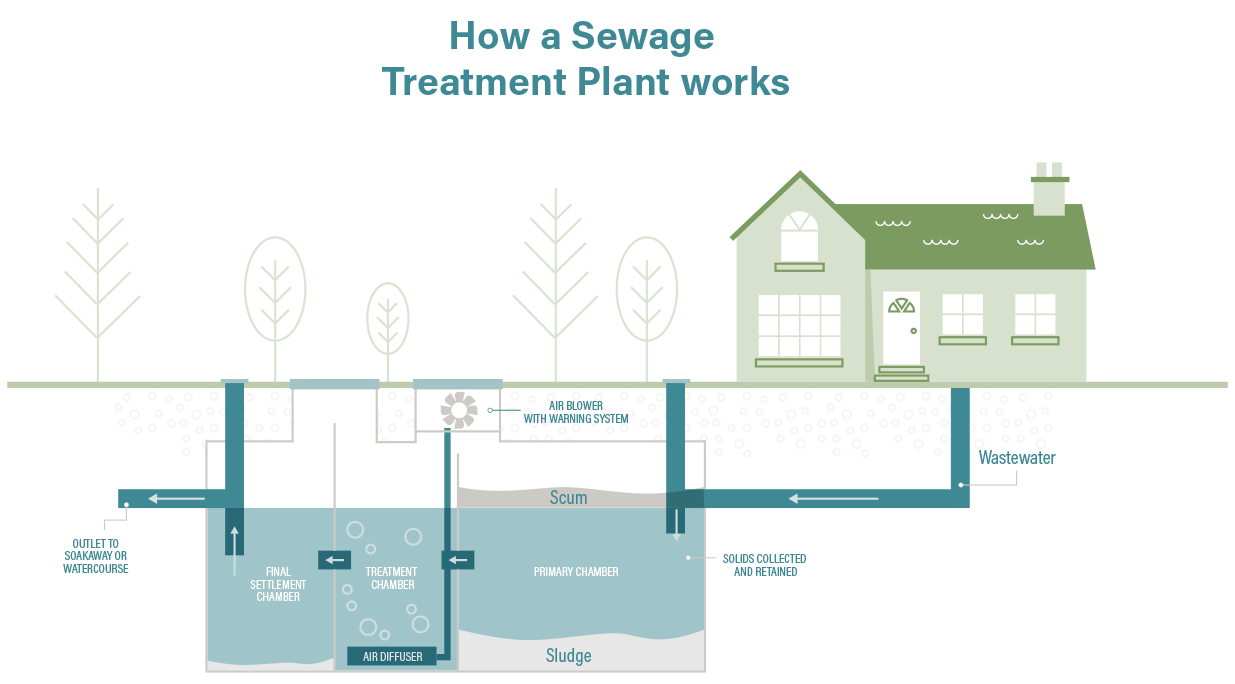
As compared to simple septic or soakaway systems, the current sewage plants incorporate multi stage treatment (physical, biological and chemical) to satisfy high levels of environmental and human health requirements. A sewage treatment facility helps to eliminate pollution and safeguard aquatic life and environmental laws.
Why Sewage Wastewater Treatment Plant Are Critical?
Based on the world sanitation statistics,
- The proportion of sewage generated in the world that is treated prior to discharge is only around 52% with high-income countries having the highest percentage rate of up to 74% and developing countries as low as 4.2%.
This puts into the limelight the huge international issue of wastewater sanitation and the importance of sewage treatment facilities in safeguarding human health and ecosystems.
Key Objectives of Sewage Treatment Facility
- Avoid the pollution of rivers, lakes, and groundwater.
- Eliminate organic and inorganic contaminants.
- Decrease the biological oxygen demand (BOD) and suspended solids.
- Destroy pathogens and harmful microbes.
- Facilitate safe reuse of treated water.
The functioning of Sewage Treatment Plants: Treatment Stages
The process of a sewage treatment facility is stage-based purification, whereby wastewater is purified by increasingly cleaner stages. Overall, three fundamental steps (primary, secondary and tertiary) are common, and a preliminary step might be added to safeguard equipment.
1. Preliminary Treatment
Preliminary (or pre-treatment) removes large debris and solids which may damage pumps, pipes or mechanical equipment.
Processes Include:
| Equipment | Purpose |
|---|---|
| Bar screens | Remove large solids (plastic, cloth, wood) |
| Grit chambers | Trap sand, grit, and heavy particles |
| Comminutors | Break up larger solids to prevent clogging |
This step safeguards the internal systems of the plant and cleanses the wastewater to be treated further.
2.Primary Treatment
The separation between settle solids and liquid is conducted by primary treatment which involves physical methods like sedimentation.
Key Features:
- Solids form sludge.
- Grease and oil come to the top and are skimmed.
- Removes 50-60 percent of suspended solids.
[Sludge ↓ eliminated] [Liquid → Secondary Treatment]
Though this is not enough to clean up water significantly, it greatly decreases the amount of pollution that would be needed by the later biological process.
3. Secondary (Biological) Treatment
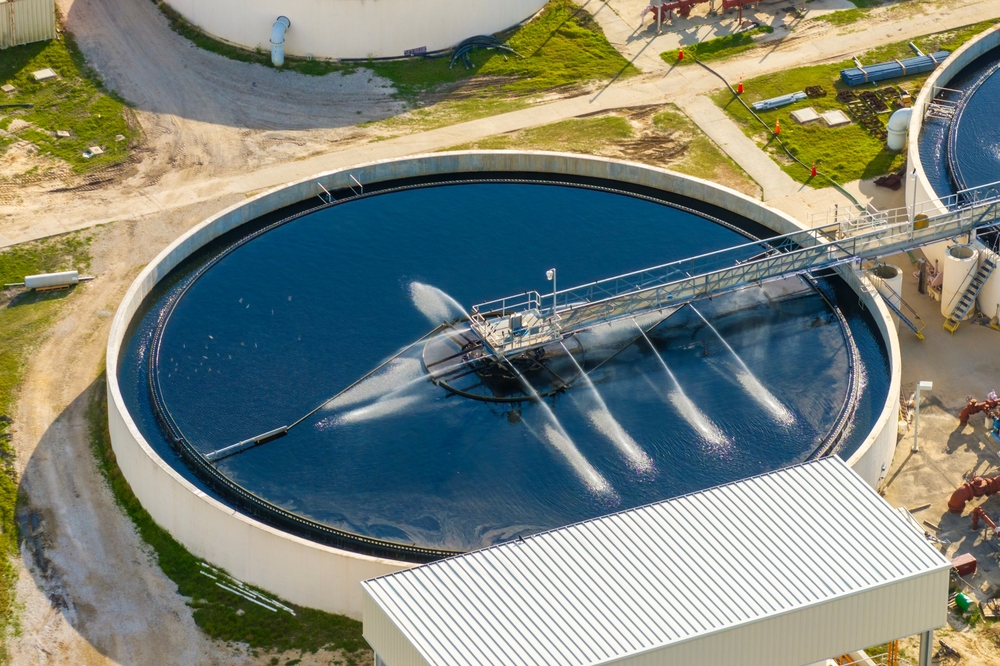
The most important cleaning is done at this stage. In this case, organic matter is decomposed by living things with the help of microbes.
Common Methods
- Activated Sludge Systems
Tanks that are aerated and on which the bacteria feed on organic waste. - Bio filters or Trickling Filters.
Wastewater drips on media which are degraded by biofilms. - Moving Bed Biofilm Reactors (MBBR)
Biofilm is cultured on portable plastic carriers, which enhance contact with wastewater.
What It Removes
- Organic compounds
- Minerals (iodine and magnesium)
- Pathogens (significantly reduced)
Following bacterial activity, the treated water is directed to secondary clarifiers where it allows biomass to settle and thus generate clearer effluence.
4. Tertiary Treatment (Advanced Polishing)
This last stage is optional but necessary in cases where there is need to have high quality discharge or reuse.
Typical Processes
- Fine Filtration (Sand/Activated Carbon)
- Disinfection (UV, chlorination, ozone)
- Removal of nutrients (chemical precipitation)
The third stage may eliminate pathogens, microscopic solids as well as nutrients to a standard that is permissible to release into the environment or non-potable reuse.
Sludge Generation and Control
One of the byproducts of sewage treatment is sludge- the coagulated solids that are separated during the treatment.
Sludge Handling Includes:
- Thickening
- Stabilization (anaerobic digestion)
- Dewatering
- Safe disposal or reuse as bio solids or fertilizer.
Handling of sludge in the right way not only enhances sustainability but also allows recovery of resources in circular wastewater approaches.
Common Sewage Treatment Plant Set-up
(Figures are not to scale; sizes of actual plants are extremely variable)
Raw Sewage → Preliminary → Primary → Secondary → Tertiary → Effluent Discharge
| | |
Screens, Grit Sedimentation Biological Filtration/Disinfection
Depending on the quality standards, effluent may be discharged to water bodies or reused to irrigate crops, or may be utilized in industrial cooling.
Why High Quality Sewage Treatment Matters?
Environmental Protection
By removing harmful containments, Sewage treatment plants:
- Prevent lakes-river eutrophication.
- Kill bacteria in water.
- Help aquatic life to survive.
As an example, in certain areas, the operations of sewage plants have cut down levels of ammonia and phosphorus by a wide margin (as much as 88 percent of major pollutants) creating healthier ecosystems.
Global Sewage Treatment Facts (Sample Data)
| Metric | Global Average | High-Income Countries | Developing Countries |
|---|---|---|---|
| Sewage Treated | ~52% | ~74% | ~4.2% |
| Untreated Discharge | ~48% | ~26% | ~95.8% |
| Global averages & distribution data based on worldwide sanitation assessments. |
Sewage Treatment Plant Types
Although they are functionally equivalent, sewage treatment systems may vary in size and purpose:
- Municipal STPs
Big centralized plants which serve cities and towns. - Industrial Sewage Treatment
Plants that have been adapted to factories with specialized contaminants. - Decentralized/On Site STPs
Smaller plants that serve rural communities or individual plants. - Modular or Mobile STPs.
Small units that can be easily set up to construction sites, remote communities, or events.
The types apply a combination of mechanical, chemical and biological treatment with regard to the characteristics of wastewater.
Key Sewage Treatment Metrics
Performance Indicator |
Significance |
|---|---|
| Biological Oxygen Demand (BOD) | Indicates organic pollutant concentration |
| Chemical Oxygen Demand (COD) | Total chemical oxidation demand |
| Total Suspended Solids (TSS) | Clarity and particulate load |
| Pathogen Removal (%) | Public health safety |
| Nutrient Removal | Prevents algal blooms and eutrophication |
Environmental agencies often set strict discharge limits for these parameters.
Challenges & Innovations
The ongoing development of sewage treatment can be attributed to:
- Population growth and urbanization.
- Stricter environmental standards
- Lack of resources (reuse and recovery is necessary)
- Optimization of energy use in the treatment processes.
New technologies like membrane bioreactors (MBRs), advanced oxidization processes (AOPs), and energy-efficient biological reactors are being implemented to enhance the quality and efficiency of treatment.
Conclusion and Moving Forward
Any contemporary sanitation system is based on a sewage treatment plant. Its multi stage purification processes safeguard the health of people, ecosystems, and allow re-use of wastewater in a sustainable manner. With rising water needs worldwide and higher environmental standards, sophisticated STP technologies will continue to be more important in ensuring safe and robust water cycles.
For tailored solutions, expert guidance, or customised sewage and sewage wastewater treatment plant design, explore reputable water treatment company uae where modern engineering meets environmental responsibility.
FAQs:
Q1. What does a sewage treatment plant do?
It collects and purifies wastewater to remove pollutants before releasing the treated effluent safely.
Q2. What’s the main difference between primary and secondary treatment?
Primary uses physical settling; secondary uses biological processes to degrade organic contaminants.
Q3. Can treated sewage water be reused?
Yes — treated effluent can be reused for irrigation, industrial cooling, or groundwater recharge with proper standards.
Q4. Why is tertiary treatment important?
Tertiary treatment removes remaining contaminants, pathogens, and nutrients to produce high-quality water for safe discharge or reuse.
Q5. What happens to the sludge produced in STPs?
Sludge is processed (digested, dewatered) and can be used as biosolid fertilizer or safely disposed.
