
Learning about Low Pressure Reverse Osmosis Systems: Reasons, Impact, and Remedies
Reverse Osmosis (RO) systems have become a commonly relied upon source of clean and safe drinking water due to their high efficiency with regard to eliminating contaminants. Nevertheless, a typical challenge of an RO system that influences filtration efficiency, water production, and system performance is low pressure. When you have low pressure, it may interfere with the whole process of filtration and it is important to ensure that you find out the reason and solve the problem.
This detailed guide will make you know what is causing Low Pressure Reverse Osmosis, how it is impacting the performance of your system and how to get the most out of your system.
Understanding Low Pressure Reverse Osmosis System
Low Pressure Reverse Osmosis system is when the pressure on the side that enters the RO membrane is not high enough to force the water through the semi-permeable membrane. To perform optimally, the system must have a range of water pressure, usually 40-100 PSI (pounds per square inch).
A low water pressure can cause the system not to work effectively, resulting in ineffective filtration, less water output, and components may be damaged over time.
Key Characteristics of Low Pressure in Reverse Osmosis Systems: Impact and Implications
- Poor Filtration: The low pressure leads to a low rate of filtration not being able to remove contaminants.
- Reduced Water Flow: Low pressure impacts the system’s capacity to filter water at the desired flow rate.
- Reduced Membrane Life: When the RO membrane is operated under low-pressure conditions, it may be stressed, causing an early failure.
Root Causes of Low Pressure in Reverse Osmosis Systems: A Technical Analysis
Causes of low ro pressure in your RO system can be due to a number of factors. By determining these causes, you can be able to do the right things to solve the problem.
low Inlet Pressure
One of the most common reasons for low pressure is inadequate water pressure from the inlet. A majority of RO systems operate effectively at a 40-100 PSI of water pressure. Should the incoming water pressure be too low, then the system will not filter water effectively.
Common Causes
- The pressure of municipal water supply is too low.
- Increased water demand at peak times.
- Blocked or obstructed waterways.
Plugged Filters or Membranes
RO systems have several filters that are used to clean the water prior to its transit through the membrane. After some time, these filters may be clogged with debris, minerals and other contaminants. This block decreases the flow of water leading to low pressure.
Effects: Decreased filtration rate, higher energy usage, and purer water.
Faulty Booster Pump
Many RO systems come equipped with a booster pump to increase the incoming water pressure. In case of pump failure, it may result in low pressure.
Symptoms: A sustained decrease in the water pressure or the flow rate.
Leaks in the System
Minor leakages in the RO system like in the fittings, tubing or valves can cause loss in water pressure. This is a forgotten cause of low pressure.
Old or worn RO Membrane
Filtering of contaminants occurs in the RO membrane. The membrane may become worn out or clogged with impurities with time. Damaged membrane may lead to ineffective filtration, low water pressure, and low water quality.
Impact of Low Pressure on Reverse Osmosis System Performance: A Technical Insight
Low pressure has a great influence on your RO system performance, which results in a number of complications:
Decreased Filtration Efficiency
The RO membrane uses the pressure of water to filter out contaminants. In the absence of adequate pressure, the water is not able to pass through the membrane and this means that the filtration is not complete.
Impairment on Water Quality: Low pressure contributes to poor elimination of contaminants such as chlorine, lead and fluoride, which can render the water harmful.
Reduced Water Production
The low pressure decreases the efficiency of the system in producing clean water. This may lead to an increase in the waiting time to obtain water particularly to households that consume a lot of water.
Effects on Homes: Low productivity and a slow rate of filtration may affect everyday water use.
Poor Membrane Performance
The RO system revolves around the membrane. The system is stressed by operating under low pressure, and the membrane cannot work well. This results in early wear and tear, loss of life and efficiency.
Effective Solutions to Overcome Low Pressure in Reverse Osmosis Systems
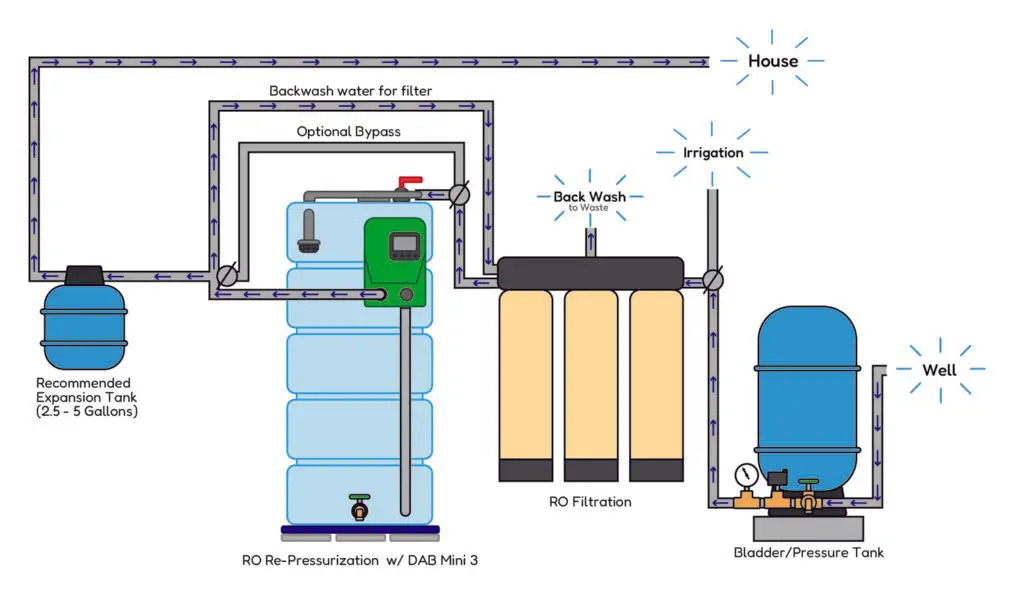
Install Booster Pump
When the pressure of your water supply is not sufficient, you can install a booster pump which is a great solution to raise the pressure of water before it enters the RO system. RO filtration can be greatly enhanced by a booster pump.
Recommended Pressure: 60-100 PSI is recommended to operate.
Replace Clogged Filters
The main factor in prevention of low pressure is regular maintenance. The replacement of pre-filters and post-filters will contribute to keeping the system in operation, as well as ensuring the appropriate pressure. The filters need to be changed as per the recommendation of the manufacturer (usually after 6-12 months).
Inspect for Leaks
Always check your reverse osmosis system to ensure that there are no leaks in the pipes, tubing or connections. Even minor leakages can cause considerable decrease in pressure. Tighten any loose fittings and replace damaged parts to regain pressure.
Re-model the RO Membrane
When the RO membrane is either worn or clogged, a replacement would help in increasing the efficiency of the filtration process, as well as, re-establish optimum pressure.
Increase Inlet Pressure
When water pressure coming into your house is always low, you can install a pressure tank or water pressure booster to ensure that water flow is at a consistent pressure.
How Low-Pressure RO Membranes Work
Low-pressure RO membranes are similar to normal RO membranes except that they are made to be efficient at low incoming water pressure. Reverse osmosis is dependent on pressure in which water is forced across the semi-permeable membrane. The water is filtered as the impurities like salts, bacteria, heavy metals, and other dissolved particles are filtered as the clean water passes through to the other side.
A standard reverse osmosis system has a water pressure of 40-100 PSI (pounds per square inch) depending on the system configuration and source of water. Nevertheless, the low-pressure RO systems are created to operate at lower pressure than this optimal pressure and it may utilize special membranes that can be used effectively at limited pressure.
What Is the Minimum Pressure for a Reverse Osmosis System?
The minimum pressure needed to operate most reverse osmosis systems is approximately 40 PSI. Nevertheless, to obtain the best outcomes and prolong the lifetime of the RO system, the pressure of 60-100 PSI is suggested. A pressure of less than this in your water supply may result in low rates of filtration and poor performance.
What to do in case of Ultra low Pressure Reverse Osmosis?
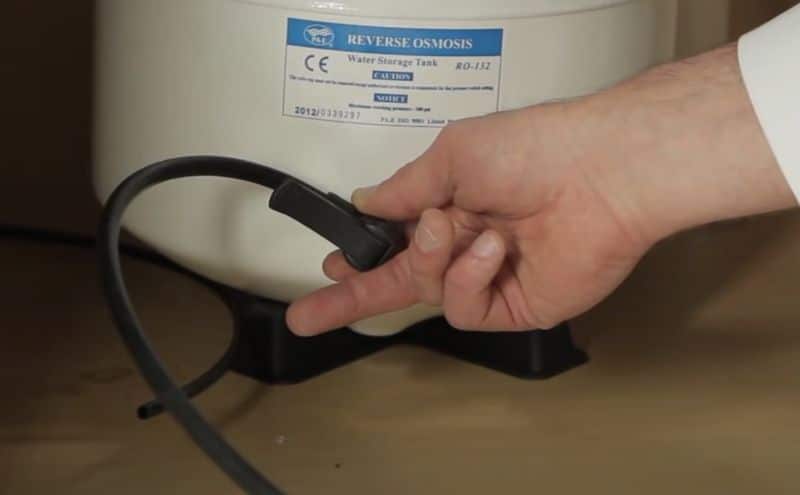
The pressure of the RO tank is too low, which may lead to slow filtration and poor quality of water. The tank water will not be stored in a proper manner and the flow rate will be reduced to a considerable extent. It can also overstretch the RO membrane leading to its quicker wear.
Why Low Pressure in Reverse Osmosis is a Problem
The reverse osmosis filtration system is based on the adequate pressure to force the water through the semi-permeable membrane and to filter the contaminants out. In cases where the pressure is inadequately low, it will have a direct effect on the capacity of the system to eliminate the unwanted particles leading to water pollution. In addition, the low pressure may also contribute to the wear and tear of the system and low efficiency of the RO unit.
How to fix Low Pressure: Is it necessary?
Yes, it is important to tackle low pressure in your reverse osmosis filter system to ensure quality of water. It will not only enhance the effectiveness of filtration, but will also assist in extending the life of your RO system. By guaranteeing high pressure and consistency, you can have clean and fresh water in the home.
Conclusion: Ensuring Efficient Water Filtration in Your Home
Maintaining proper water pressure in your reverse osmosis system is vital for ensuring high-quality, safe drinking water. By addressing common low-pressure issues like clogged filters, leaks, and malfunctioning pressure regulators, you can keep your system running at optimal levels. Remember, regular maintenance and timely upgrades can help prevent these problems and prolong the life of your RO filtration system.
For more information visit What Is Reverse Osmosis and How Does It Work?, or to get personalized recommendations for your home or business, feel free to explore water treatment services. We’re here to help you find the best water filtration solutions for your needs!
FAQs
Q1. How do you fix low pressure in reverse osmosis?
Answer: You can fix low pressure by installing a booster pump, replacing clogged filters, fixing leaks, or upgrading your RO membrane.
Q2. What is the minimum pressure for a reverse osmosis system?
Answer: The minimum pressure for most RO systems is around 40 PSI, but for optimal performance, 60-100 PSI is recommended.
Q3. What happens if RO tank pressure is too low?
Answer: If the RO tank pressure is too low, it will reduce the filtration capacity, lower the water flow rate, and may cause the system to perform inefficiently.
Q4. Can low pressure damage my RO system?
Answer: Yes, consistently low pressure can strain the RO membrane, reduce its lifespan, and make it harder for the system to filter water effectively.
Q5. How often should I check my RO system’s pressure?
Answer: It’s advisable to check the pressure of your RO system every 6 months to ensure optimal performance and to prevent issues like low pressure.
